Thinking Historically About Online Sources
The internet is a rich resource for teachers and students to be able to access historical information. Through the gateway of the internet, students and teachers can access encyclopaedias, and myriad written and visual sources. The findings from Stage 1 of the project suggest that:
Students do not implicitly understand how to use the internet well and must be explicitly taught
When locating historical sources, students can have an ‘information’ focus, where they are only looking to cherry-pick relevant facts, without slowing down to think more deeply about what they are reading
Online sources are not neutral. Many students (and adults) make an attempt to judge the relevance and reliability of the facts they seek, but few pause to consider the perspective, context or purpose of a website and how those features might be shaping the way that the facts of the past are being recounted.
These activities try to get students to go beyond an ‘information focus’ when they are accessing historical material online.
Are you thinking about the past in Black and White? Or in Full Colour?
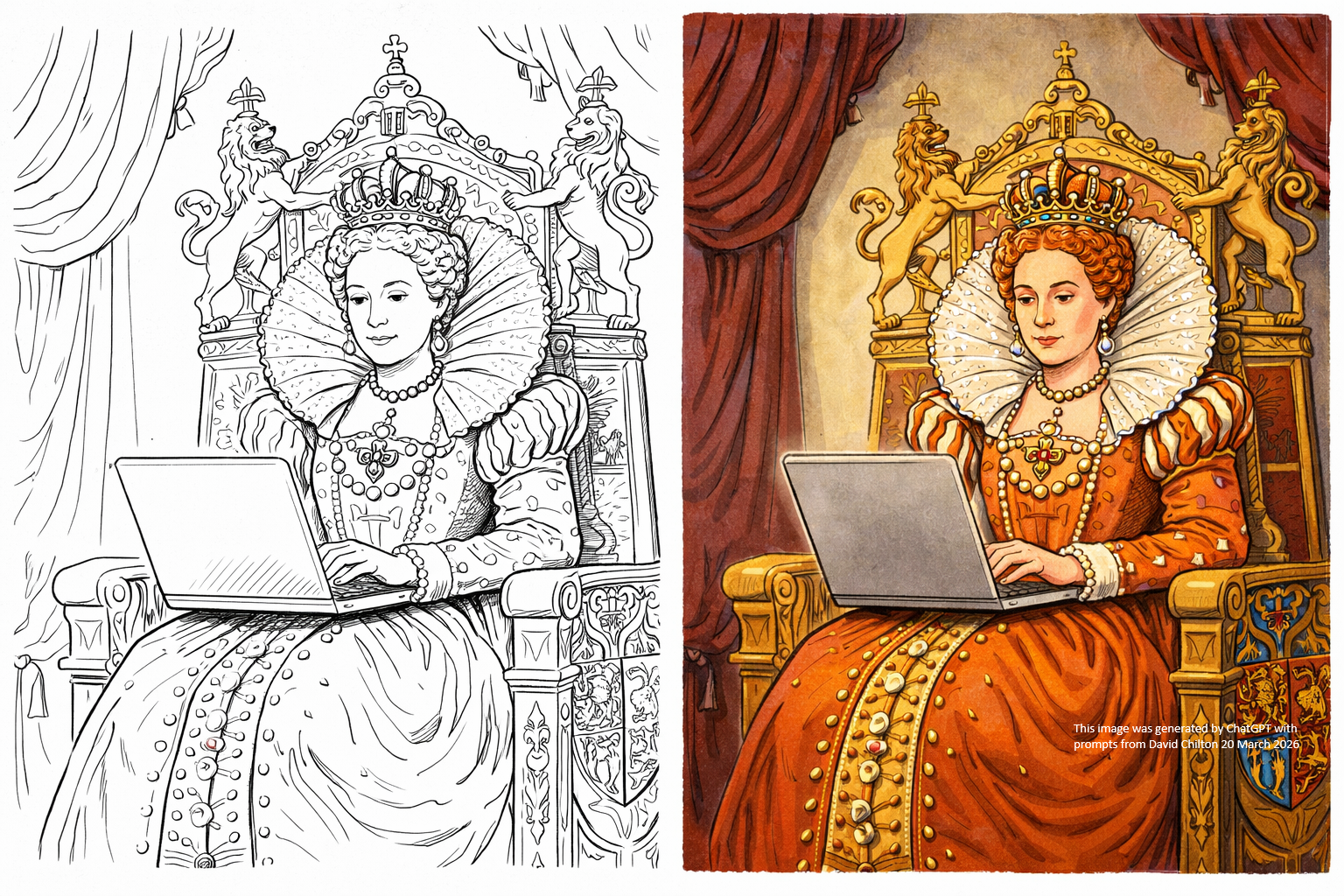
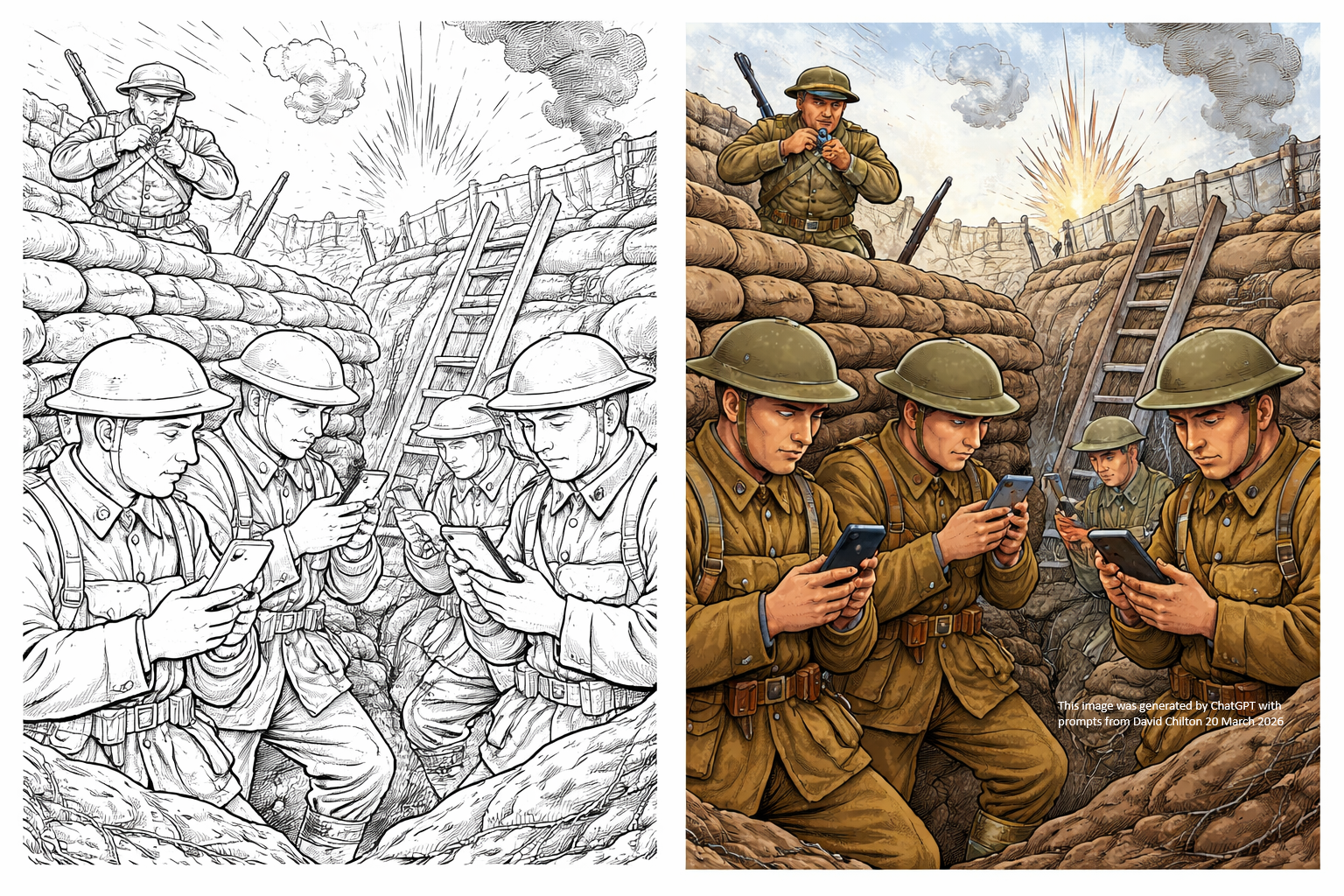
Sometimes when we think about the past, we see history as a collection of FACTS about the past—true things that happened. We think the historian’s job is to collect as many of those FACTS as possible. While FACTS are important, only thinking about facts is like watching a TV show in Black and White: good, but not getting the benefit of all the rich detail of watching in Full Colour. To get the Full Colour experience, historians give MEANING to FACTS, arranging them into a true story about the past. The story might be one of causation, or significance, or how things have stayed the same over time. Thinking about MEANING allows us to see the past in rich, Full Colour detail.
Unfortunately, the medium of the internet CAN prompt us to only see the past only in Black and White, where the internet is a giant textbook of FACTS, waiting for us to find them and pluck them out like a ripe cherry. We CAN forget that the people who put the historical information online are giving MEANING to the FACTS. They want us to see the past in their way—just like any other historical source.
Using historical thinking skills can help us to be critical online—and not just accept what we read as FACTS.
Purpose:
The purpose of this protocol is to prompt students to become more aware of their thinking, so that they can apply their historical thinking skills while working online. This protocol is designed to help students slow down and not just think about websites in binary terms or ‘Black and White’, i.e. trustworthy or not; relevant or not. Instead, this protocol helps students to treat websites like any other historical source, where they consider the ‘Full Colour’ spectrum of how and why a website might be communicating a particular message.
Reading a Website—Historically speaking
When browsing or searching the internet for historical websites, students often make a hasty judgement about whether they can trust the website or not and then try to find the relevant information that they are looking for, either by reading the whole site, or using a ‘search on page’ function (Ctl+f). Students don’t naturally adopt the reading habits they would use in a history class.
Aim of learning activity
For students to habitually ask questions related to historical thinking about the website, before reading it.
DOWNLOAD TEACHER RESOURCES
Watch a video example of how to apply the protocol to a website about the Kokoda Trail Campaign
NSW Syllabus Reference: Stage 5 Depth Study (core): Australia at war – WWII (1939 – c. 1945)
VIDEO STILL IN PRODUCTION
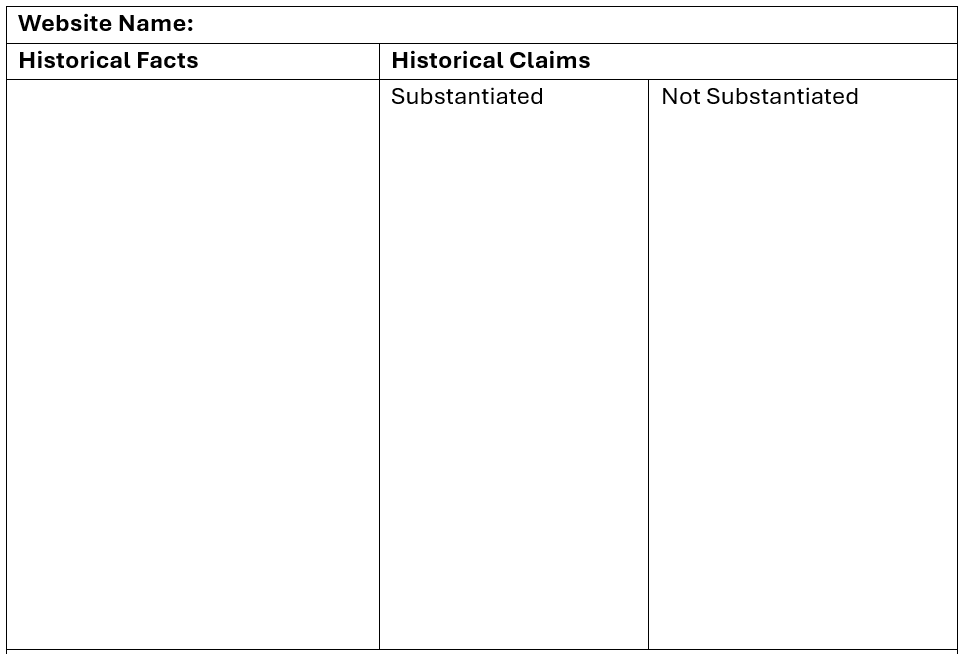
Historical Facts vs Historical Claims
When reading a website, students can often find it difficult to tell the difference between a historical fact and a historical claim.
When browsing or searching the internet for historical websites, students often make a hasty judgement about whether they can trust the website or not and then try to find the relevant information that they are looking for, either by reading the whole site, or using a ‘search on page’ function (Ctl+f). Students don’t naturally adopt the reading habits they would use in a history class.
Aim of learning activity
For students to understand the difference between a historical fact and a historical claim and recognise them on a website.
Sampling Activity: Significance of the signing of the Magna Carta in 1215 and how it limited the power of the monarchy
NSW Syllabus Reference: Stage 4 Historical context 2 (core): The medieval world (c. 500 – c. 1600)
Video Walkthrough—-STILL IN PRODUCTION
DOWNLOAD TEACHER RESOURCES
Using the internet to go beyond just ‘information’
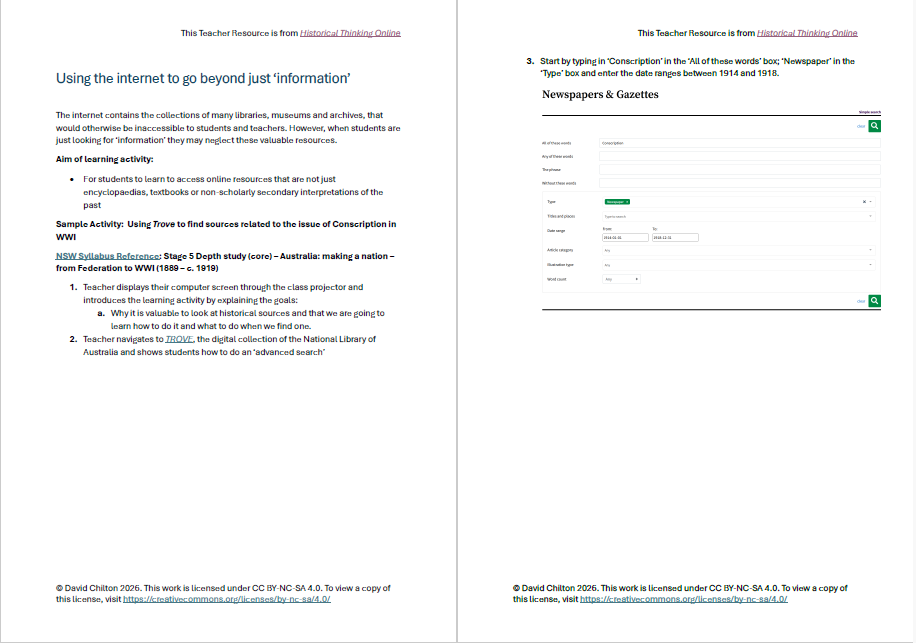
The internet contains the collections of many libraries, museums and archives, that would otherwise be inaccessible to students and teachers. However, when students are just looking for ‘information’ they may neglect these valuable resources.
Aim of learning activity:
For students to learn to access online resources that are not just encyclopaedias, textbooks or non-scholarly secondary interpretations of the past
Sample Activity: Using Trove to find sources related to the issue of Conscription in WWI
NSW Syllabus Reference: Stage 5 Depth study (core) – Australia: making a nation – from Federation to WWI (1889 – c. 1919)
DOWNLOAD TEACHER RESOURCES